
Learning to Surf in Nicaragua: A Complete Beginner's Guide (2026)
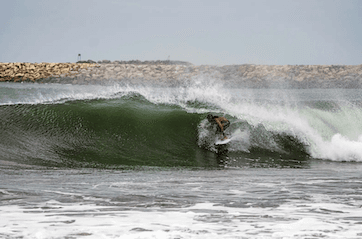
There is a particular kind of joy in catching your very first wave. The board lifts, the water rushes underneath you, and for a few seconds the ocean carries you forward like it decided you belonged there all along. If you have never felt that and you are wondering where to begin, Nicaragua is one of the best places on earth to start.
At Miramar SurfCamp, in the fishing village of Puerto Sandino, we teach complete beginners every week. Many of them arrive nervous, convinced they are too old, too out of shape, or simply not "a surfer." Almost all of them are standing up and riding waves within their first few days. This guide walks you through exactly what learning to surf here looks like, so you know what to expect before you ever paddle out.
Why Nicaragua Is a Great Place to Learn
Not every surf destination is friendly to beginners, but a few things make Nicaragua especially forgiving.
The water is warm all year. You will not be fighting cold, wrestling with a thick wetsuit, or losing energy to the shivers. Boardshorts or a swimsuit are all you need, which means more time actually practicing and less time being uncomfortable.
The wind is on your side. Thanks to Lake Nicaragua funneling air across the country, Miramar enjoys offshore wind more than 300 days a year. For a learner, clean, groomed waves are far easier to read and ride than the choppy, messy conditions common elsewhere.
And crucially, we have the right kind of waves for starting out. Miramar has a mellow beach break with plenty of soft, rolling white water close to shore, which is exactly where beginners belong. You are not thrown into heavy, intimidating surf on day one. You start where it is safe and fun.
What Your First Lesson Actually Looks Like
A beginner lesson always begins on the sand, not in the water. Your instructor will run you through the fundamentals: how to lie on the board, where to position your body, how to paddle efficiently, and the all-important "pop-up," the movement that takes you from lying down to standing. You will practice it a few times on dry land until it starts to feel natural.
Then you head into the shallows. Your first waves will be caught in the white water, the foamy part of a wave that has already broken. It is gentle, predictable, and does the hard work of pushing you along so you can focus on standing up and finding your balance. Your instructor stays right beside you, helping to line up the board, timing the wave, and giving you a push when the moment is right.
Do not be surprised if you fall. Everyone falls, constantly, and it is part of the fun. The water is warm and the sand-bottom sections are soft. Falling in surfing is not failure; it is simply feedback.
How Long Until You Can Actually Surf?
This is the question everyone asks, and the honest answer is encouraging.
Most people stand up and ride white water on their first day, or by their second at the latest. Within a week of consistent practice, many beginners are catching unbroken "green" waves and starting to turn along the face. Progress in surfing is not perfectly linear, some days click and some days humble you, but a week of daily sessions in beginner-friendly conditions produces real, visible improvement.
Staying at a dedicated surf camp accelerates all of this. Instead of squeezing in one lesson on a busy holiday, you surf every day, rest, eat well, and surf again. Repetition close together is what builds muscle memory, and that is exactly what a camp rhythm gives you.
What You Need to Bring (and What We Provide)
The beauty of learning here is how little you actually need. At the camp we provide the boards, including soft-top foam boards that are stable, buoyant, and very hard to hurt yourself on, which is precisely what a beginner should be riding.
What you should bring is simple:
- Reef-safe sunscreen (the tropical sun is strong, reapply often)
- A rash guard or a light long-sleeve top to prevent board rash and sunburn
- Boardshorts or a swimsuit you can move freely in
- A refillable water bottle to stay hydrated between sessions
That is genuinely most of it. You do not need to buy a board, a wetsuit, or expensive gear to find out whether you love surfing.
A Few Honest Tips for First-Timers
Manage your expectations and your ego. The people who improve fastest are the ones who are relaxed, patient, and willing to look a little silly. Surfing rewards persistence far more than natural talent.
Listen to your instructor and respect the ocean. Learn where to paddle out, how to read the conditions, and basic surf etiquette so you stay safe and out of others' way. A good coach keeps you in the right spot for your level.
Rest and recover. Paddling uses muscles you did not know you had, and your first few days can be surprisingly tiring. Eat well, sleep, and hydrate. This is one reason a camp setting works so well, everything you need to recover is right there.
Above all, have fun. You will not be perfect in a week, and that is not the point. The goal is to feel that first wave carry you, catch the bug, and want to come back for more.
Come Learn Where the Waves Are Made for Beginners
Miramar sits about an hour and a half from Managua, tucked into a quiet stretch of coast with warm water, offshore wind almost every day of the year, and the two main breaks of Punta Miramar and Puerto Sandino right on our doorstep. It is a calm, welcoming place to trade "I've always wanted to try surfing" for "I actually surf now."
Whether you are traveling solo, with a partner, or with friends who have never touched a board either, we will meet you exactly where you are and get you riding waves.
Book now at Miramar Surf Camp.


Subscribe to our newsletter
Sign up for our latest news update and be the first to know about our specials and promotions.
Latest Stories

7 Days at Miramar Surf Camp: A Day-by-Day Nicaragua Surf Itinerary
Wondering what a week at a Nicaragua surf camp looks like? Here is a realistic 7-day itinerary at Miramar Surf Camp in Puerto Sandino, from arrival to last session.
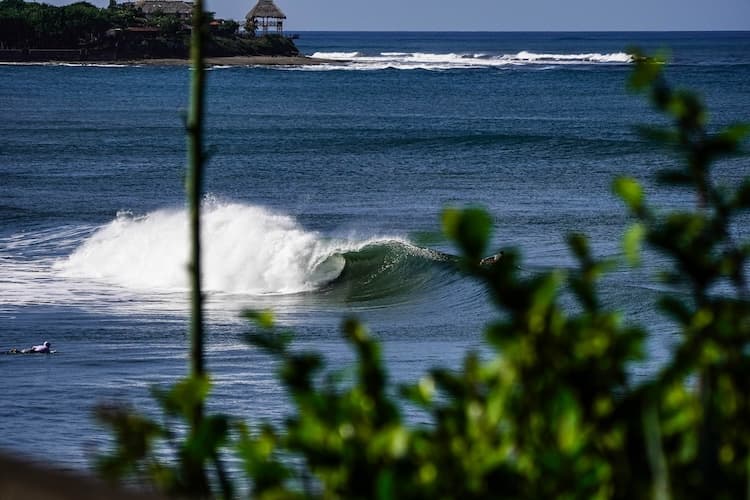
Best Time to Surf in Nicaragua: A Month-by-Month Guide (2026)
When is the best time to surf in Nicaragua? A honest month-by-month guide to swells, wind, crowds, and seasons from Miramar SurfCamp.
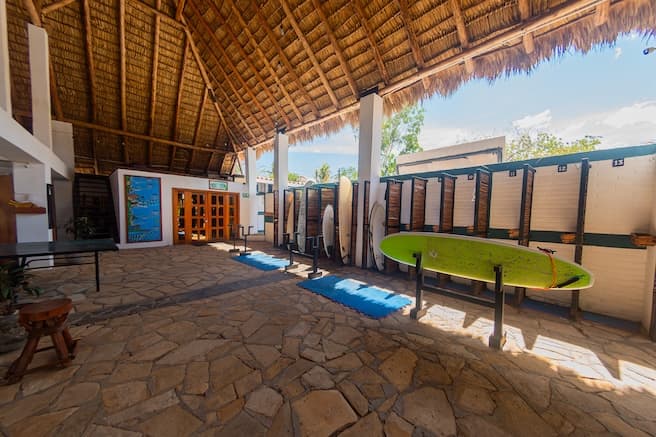
Best Nicaragua Surf Trip Quiver: WSL Surfboard Guide | Miramar SurfCamp
Planning the ultimate Nicaragua surf trip? Learn how to build a perfect surfboard quiver using WSL pro secrets. Discover why Miramar SurfCamp offers front-row access to Punta Miramar and Puerto Sandino's 300+ days of offshore barrels.